Handwritten fonts bring a unique, personal touch to any design, helping your brand connect with audiences on a more human level. These distinctive typefaces mimic the natural flow and character of human handwriting, offering a refreshing alternative to standard digital text. From casual notes to elegant scripts, handwritten fonts provide a versatile tool for creating memorable visual experiences.
What Makes Handwritten Fonts So Special?
Handwritten fonts are more than just text; they are expressions. They carry an inherent charm that machine-generated type often lacks. Think about the feeling you get from a personal letter versus a printed email. That warmth and authenticity are precisely what good handwritten fonts can bring to your projects. They suggest care, individuality, and a direct line of communication.
The Appeal of Authenticity
In a world saturated with digital content, anything that feels genuinely human tends to stand out. Handwritten fonts offer that touch of the personal. They can make your brand feel approachable, friendly, or even luxurious, depending on the specific style you choose. This authenticity builds trust and can foster a stronger connection with your audience.
Why Your Brand Needs Handwritten Fonts
Integrating handwritten fonts into your branding can significantly elevate its perception. They are not simply decorative; they are strategic assets that communicate specific values and emotions.
Creating Connection and Personality
Handwritten fonts naturally evoke a sense of personality. A playful brush script might suggest creativity and fun, while an elegant, flowing script could convey sophistication and artistry. By carefully selecting the right style, you can reinforce your brand’s voice and personality, making it more relatable and distinguishable.
Standing Out in a Crowded Space
Many businesses rely on common, impersonal typefaces. Using unique handwritten fonts can immediately differentiate your brand. It signals that you’ve put thought and effort into your presentation, making your materials more noticeable and memorable. This differentiation is particularly impactful in areas like social media graphics, product packaging, and event invitations.
Exploring Different Styles of Handwritten Fonts
The category of handwritten fonts is incredibly diverse, encompassing a broad spectrum of styles. Understanding these variations helps you pick the perfect fit for your specific needs.
Script Fonts
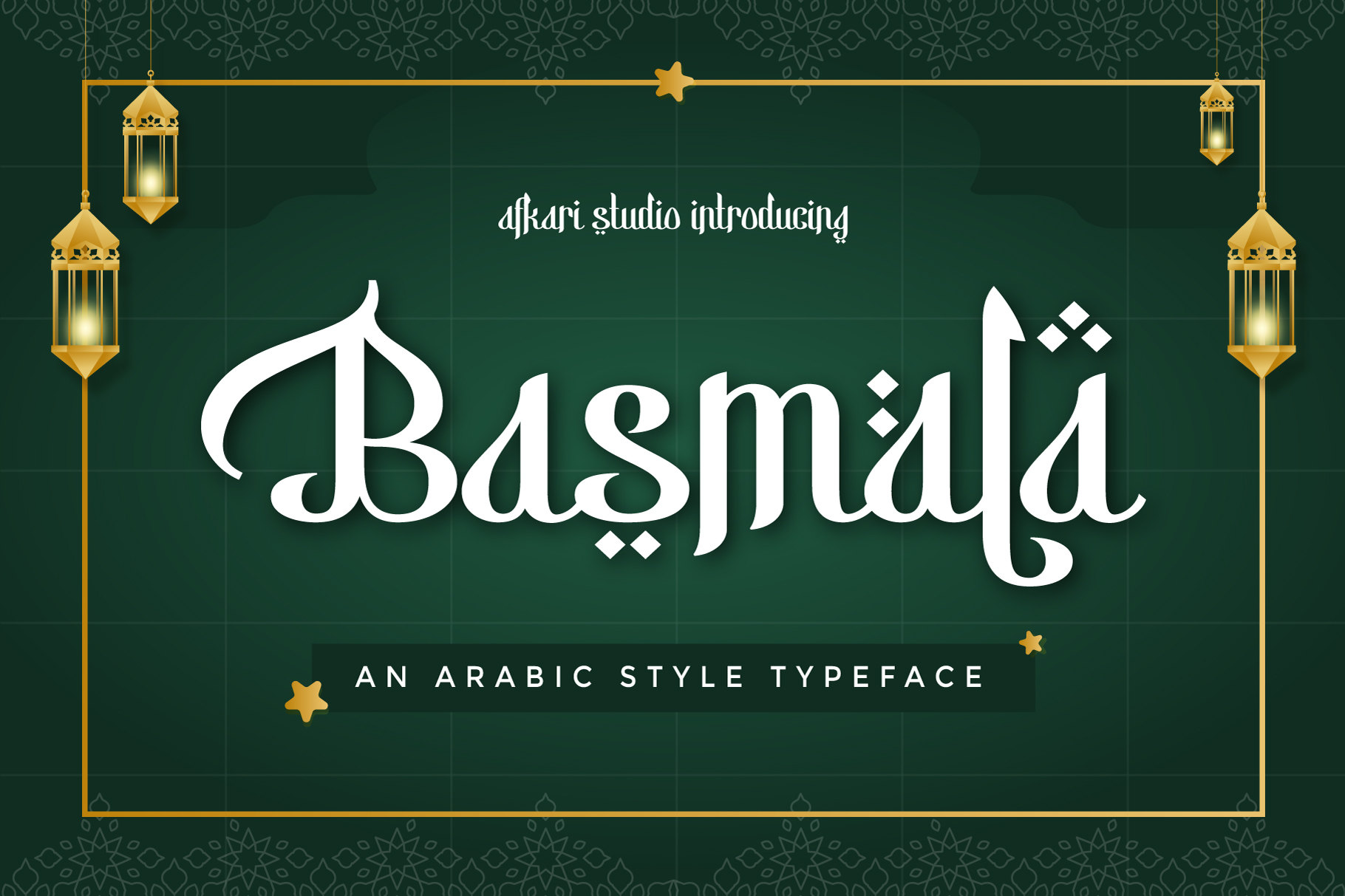
Script fonts are perhaps the most recognized type of handwritten fonts. They often feature flowing strokes, connected letters, and an elegant appearance.
- Formal Scripts: Mimic traditional calligraphy, suitable for upscale brands, wedding invitations, or certificates.
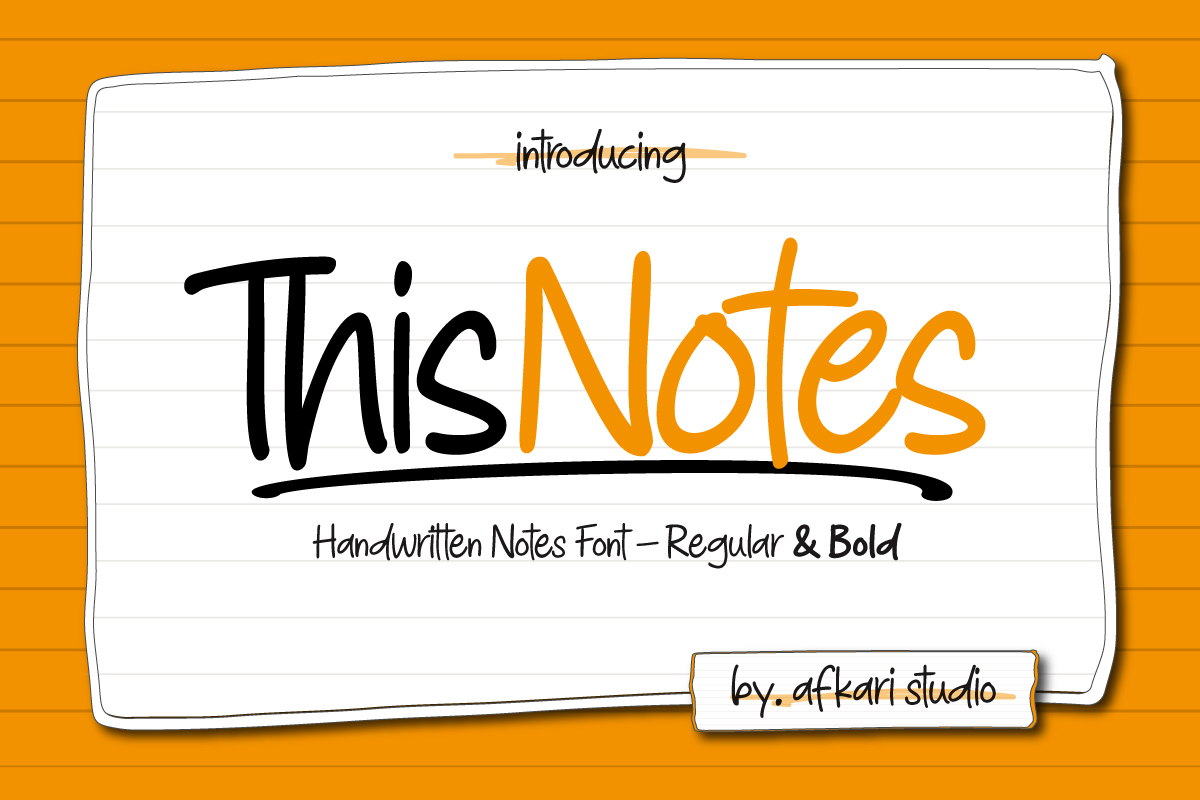
- Casual Scripts: More relaxed and friendly, great for lifestyle brands, blogs, or cafes.
Brush Fonts
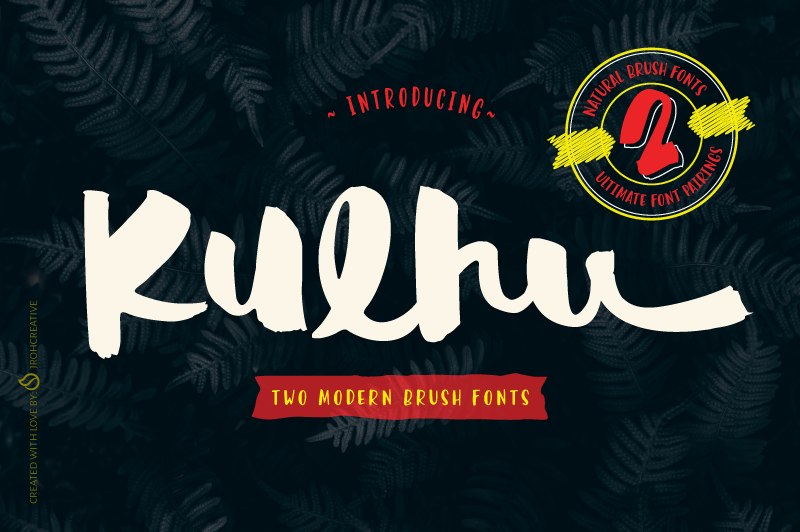
These fonts replicate the look of text created with a paintbrush, often characterized by textured edges and varying stroke widths.
- They convey a raw, artistic, and energetic feel.
- Excellent for designs needing a handcrafted, bold, or rustic touch, such as t-shirt designs, posters, or artisanal product labels.
Quirky & Whimsical Fonts
These styles often have irregular baselines, unique letterforms, and a distinctly playful attitude.
- They are perfect for brands targeting younger audiences, children’s products, or any project aiming for a lighthearted and fun vibe.
- Think about greeting cards, party invitations, or creative social media campaigns.
Modern Handwritten Fonts
A blend of traditional handwriting with contemporary design sensibilities. They often feature clean lines but retain the personal touch.
- Versatile for a wide range of uses, from tech startups wanting a human element to fashion brands seeking an approachable elegance.
Practical Uses for Handwritten Fonts
Handwritten fonts can be applied across numerous platforms and materials to enhance your messaging.
- Branding & Logos: A handwritten logo can make your brand instantly recognizable and personal.
- Marketing Materials: Brochures, flyers, and advertisements gain warmth and approachability.
- Social Media Graphics: Stand out in feeds with custom, expressive text.
- Website Design: Headings or call-to-action buttons can use handwritten fonts for emphasis and personality.
- Product Packaging: Convey a handcrafted or artisanal quality.
- Invitations & Stationery: Add a personal, elegant, or festive touch to events.
Tips for Selecting the Right Handwritten Fonts
Choosing the correct handwritten font involves more than just liking its appearance. It requires considering its readability, the message it sends, and how it interacts with other design elements.
Readability Comes First
While aesthetics are important, legibility is paramount. Some handwritten fonts, especially highly decorative scripts, can be difficult to read in smaller sizes or long blocks of text.
- For body text: Generally avoid overly ornate handwritten fonts. Stick to more legible, simpler styles if you must use them, or reserve them for headings.
- For headings and short phrases: More elaborate handwritten fonts can shine here, as they are read quickly and for impact.
Matching Mood and Message
Every font has a personality. Does the handwritten font align with your brand’s voice?
- A luxury brand might opt for an elegant, sophisticated script.
- A casual coffee shop might choose a friendly, informal brush font.
- A children’s toy company would benefit from a playful, quirky style.
Pairing with Other Fonts
Handwritten fonts rarely work well alone. They usually need to be paired with a contrasting, more stable typeface (like a sans-serif or a simple serif font) for body text and overall balance.
- Contrast is good: A decorative handwritten font paired with a clean, minimalist sans-serif creates visual interest without overwhelming the reader.
- Avoid clashes: Do not pair two highly decorative or similar handwritten fonts together; this often leads to a messy and unreadable design.
Avoiding Common Pitfalls with Handwritten Fonts
While powerful, handwritten fonts require careful handling. Misuse can detract from your message rather than enhance it.
Overuse and Legibility Issues
Based on our field experience, a frequent mistake is using handwritten fonts for too much text. This quickly leads to design fatigue and poor readability. Reserve them for headlines, logos, or short, impactful statements. For lengthy paragraphs, always opt for a clear, standard typeface. We often see cases where beautiful handwritten fonts lose their charm when used as body copy, making the content hard to digest.
Licensing Matters
Always check the licensing terms for any handwritten fonts you download or purchase. Some are free for personal use but require a commercial license for business applications. Ignoring licensing can lead to legal issues. A practical tip from our team is to keep clear records of all font licenses, especially for client projects or commercial brand assets.
Consistency Across Platforms
Ensure that your chosen handwritten fonts display correctly across all platforms and devices. What looks great on a desktop might render poorly on a mobile screen if the font file isn’t optimized or if the platform doesn’t support it. Test your designs thoroughly.
How Handwritten Fonts Impact User Experience and Branding
The right handwritten fonts do more than just make things look good; they shape how users feel about your brand. They contribute significantly to the overall user experience by adding personality and warmth.
Building Emotional Connection
Handwritten elements, even digital ones, tap into our innate appreciation for human touch. This can foster an emotional connection, making your brand feel more approachable and authentic. This emotional resonance can translate into stronger brand loyalty and positive sentiment.
Reinforcing Brand Voice
Every brand has a voice, whether it’s playful, serious, elegant, or edgy. Handwritten fonts are powerful tools for visually reinforcing that voice. A consistent application of a well-chosen handwritten font across all brand touchpoints helps solidify your brand’s identity in the minds of your audience.
Getting Started with Handwritten Fonts
Choosing and implementing handwritten fonts effectively can truly elevate your brand’s presence. By understanding the various styles, considering their readability, and strategically applying them, you can create designs that resonate deeply with your audience. Think about the feeling you want to convey, then select a handwritten font that visually embodies that emotion. This thoughtful approach ensures that your use of handwritten fonts enhances your message and strengthens your brand identity.
[LINKING INSTRUCTION: Insert relevant internal links to font categories, design tips, or external links to reputable font libraries here.]
Ready to explore how distinctive design can elevate your brand? Connect with our specialists today for tailored advice and creative solutions. We’re here to help bring your vision to life.
FAQ
What are handwritten fonts?
Handwritten fonts are typefaces designed to mimic the appearance of human handwriting, offering a personal and authentic aesthetic to digital text.
Where can I find good handwritten fonts?
Many online platforms offer handwritten fonts, including Google Fonts, Adobe Fonts, Font Squirrel, DaFont, and MyFonts. Always check licensing for commercial use.
Are handwritten fonts hard to read?
Some highly decorative handwritten fonts can be challenging to read, especially in small sizes or long paragraphs. It is best to use them for headlines or short phrases where impact is more important than continuous readability.
Can I use handwritten fonts for my business logo?
Yes, handwritten fonts are excellent for business logos as they can add a unique, personal, and memorable touch, helping your brand stand out. Just ensure the font is legible and has the appropriate commercial license.
How do I pair handwritten fonts with other typefaces?
The most effective method is to pair a decorative handwritten font with a simpler, more legible font, such as a sans-serif or a clean serif. This creates contrast and maintains readability for body text while allowing the handwritten font to provide personality.
What are the main types of handwritten fonts?
The main types include script fonts (formal and casual), brush fonts, quirky/whimsical fonts, and modern handwritten styles, each offering a distinct aesthetic and mood.